
A blog dedicated to writing about the music industry’s biggest copyright cases to date. Copyright law has shaped how we listen to and create music but, some of these copyright infringement rulings are highly controversial and many believe they will set a dangerous precedent in future applications of copyright law.
Nicki Minaj Vs Tracey Chapman (2018)
Tracey Chapman sued Nicki Minaj in October 2018 for sampling her 1988 song “Baby Can I Hold You”. Minaj sampled the lyrics and vocal melody in her unreleased track “Sorry”, which was meant to appear on her 2018 album ‘Queen’. According to the complaint, Minaj’s team contacted Chapman multiple times seeking permission to sample the song however, the Grammy-winning singer refused.
Chapman is notorious for not allowing artists to sample her work and has earned a place on the unofficial “do not sample” list – an unwritten list of artists who are well-known for not allowing samples of their work. Despite multiple failed attempts to clear the sample, the track “Sorry” was allegedly leaked by Minaj, to the New York radio station Hot 97, where it was played by DJ Funkmaster Flex and shared on the internet. Not long after, Chapman sued Nicki Minaj for copyright infringement.

In an earlier judgement, US district Judge Virginia A. Phillips ruled that Minaj’s interpolation of Chapman’s song constituted as “fair use” and was not an infringement on Chapman’s intellectual property. “Artists usually experiment with works before seeking licenses from rights holders and rights holders typically ask to see a proposed work before approving a license” Judge Phillips stated in the ruling. She also expressed that “a ruling uprooting these common practices would limit creativity and stifle innovation within the music industry.”
Although this specific matter was resolved, Judge Phillips stated that the case must still go to trial in front of a jury, to investigate how the song got leaked and whether or not this constitutes as copyright infringement. However, in January 2021, the case was settled out of court when Nicki Minaj agreed to pay Chapman a $450,000 settlement.
Led Zeppelin vs Spirit – “Stairway To Heaven Case” (2014)
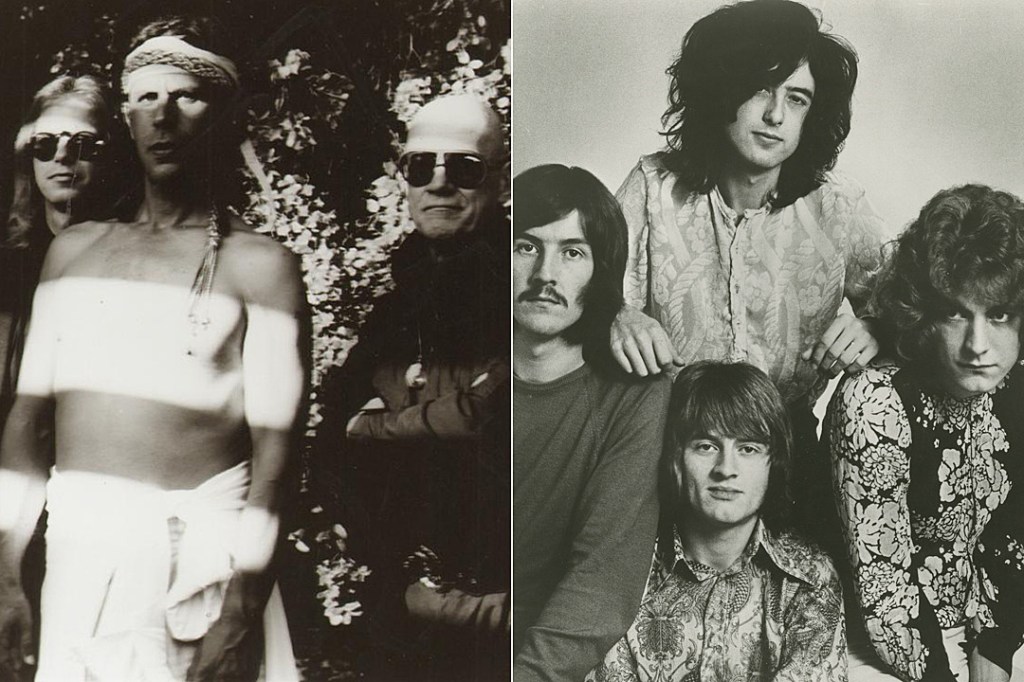
This complex case began in 2014, when Michael Skidmore – a representative of Randy Wolfe’s estate (Guitarist of the band ‘Spirit’) – accused Led Zeppelin of stealing the opening guitar riff of “Stairway to Heaven” from Spirit’s 1968 instrumental track “Taurus.” Lawyers for Wolfe’s estate argued that Led Zeppelin became familiar with Spirit’s song after singer Robert Plant saw them play at a show in Birmingham in 1970, a year before “Stairway to Heaven” was released. During the trial, Spirit’s bassist Mark Andes testified that he met Plant at the show and played snooker with him afterwards. Plant insisted he had no memory of the night, after being involved in a severe car crash on his way home.
Following a six day trial in 2016, Led Zeppelin were cleared of plagiarism. Musicologist experts testified saying that the descending musical pattern shared by both songs had been a common musical device for centuries. One example cited was Chim Chim Cher-ee, from the 1964 Disney musical Mary Poppins. However, The verdict was overturned in 2018, after a three-judge panel on the Ninth Circuit found that the judge in the first case made an error by claiming that “descending chromatic scales, arpeggios or short sequences of three notes” were not protected by copyright. It was also deemed an error that the jury had not been played Taurus in court and thus, which led to an appeal.
The previous court’s decision to deny Skidmore’s request to play both sound recordings was because both songs were protected under the 1909 Copyright Act, which applies only to sheet music – while the 1976 Copyright Act includes sound recordings.
Skidmore’s determination to play the two recordings also correlates with his attempts to prove Zeppelin had access to “Taurus.” Proving access has long been key to proving two works are “substantially similar,” but in its new ruling, the court of appeals overturned a long-standing precedent known as the “inverse ratio rule.” The inverse ratio rule states that if one party can prove a high degree of access to a certain work, the less significant the similarities need to be in order to prove infringement. The Judge stated that because the rule “defies logic, and creates uncertainty for the courts and the parties, we take this opportunity to abrogate the rule in the Ninth Circuit and overrule our prior cases to the contrary.” The US appeals court reinstated the original 2016 ruling, finally ending the case.
2 Live Crew Vs Roy Orbison (1994)
In 1994, Acuff-Rose Music (publishing company) sued 2 Live Crew claiming that their song “Pretty Woman” infringed Acuff-Roses copyright in Roy Orbison’s song “Oh, Pretty Woman”. 2 Live Crew’s version describes the woman in a discourteous and insulting manner as they rap over a sample of the original 1964 tune by Roy Orbison. The band sought clearance from the song’s publisher however, for obvious reasons, Acuff-Rose refused to grant permission. 2 Live Crew ignored his decision and released the song anyway.

The song led to a vicious legal battle that proceeded all the way to the Supreme Court and in March 1994, 2 Live Crew were cleared of any wrong doing on the grounds that “Pretty Woman” was a parody and therefore, qualified for fair use. This is an important copyright case for the music industry because by expanding the definition of fair use, the 2 Live Crew Vs Roy Orbison case served as a solid defence for future artists seeking to express themselves through parody.
Ariana Grande Vs Josh Stone aka DOT (2020)
In January 2020, Ariana Grande was sued for allegedly ripping off the chorus to her single 7 Rings. The lawsuit was filed by an artist known as Josh Stone, aka DOT, who claims that the hook in 7 Rings which is “I want it, I got it, I want it, I got it”, was copied from the hook in his song I Got It, which goes like “You need it, I got it, You want it, I got it”. Grande and seven other co-writers on the track are being accused of plagiarism. Grandes song is an interpretation of the song My Favourite Things from the musical ‘The Sound of Music’. Richard Rogers and Oscar Hammerstein, the composers of My Favourite Things, are already credited on the song and control 90% of the songwriter royalties.
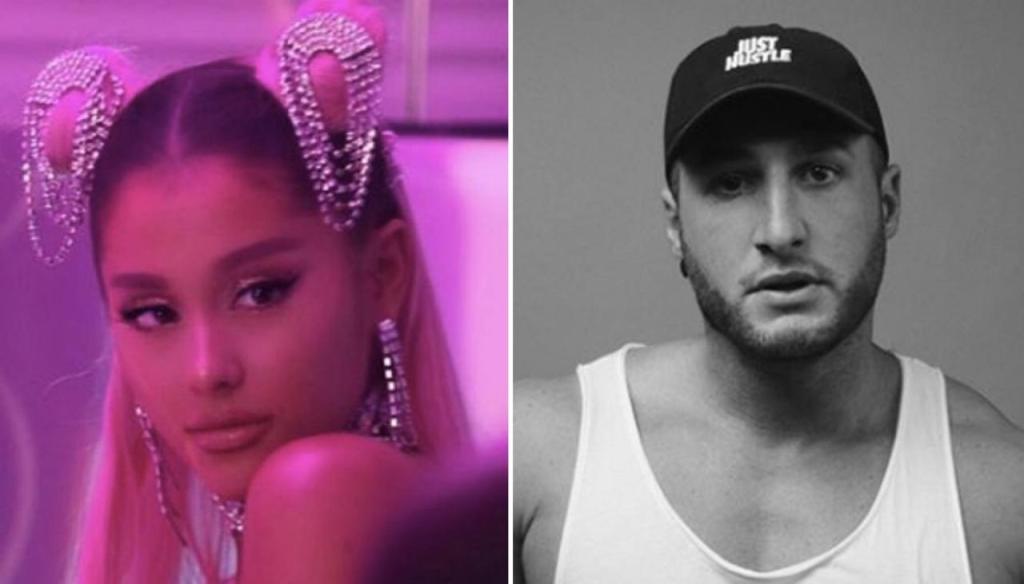
According to the lawsuit, every single one of the 39 respective notes of 7 rings is identical with the 39 notes of Stone’s song from a metrical placement perspective. Stone also claims that he attended several meetings with Universal Music Group in 2017, in relation to his music. He admitted to meeting Tommy Brown, who has produced five of Ariana Grandes albums, and claims that Brown showed great interest in his songs. The suit quotes Brown as telling Stone, he “enjoyed the song I Got It very much and was interested in exploring opportunities to work together”.
According to Stones lawyer; “this lawsuit is about protecting artists and their work. Stone’s song was taken and used without his consent, without his knowledge and without a license. Many people have accumulated a lot of money from DOT’s work and that is wrong. It is copyright infringement”. DOT now wants profit from 7 Rings and an order prohibiting the song from its own existence.
Universal Music Publishing Vs Lenz (The Dancing Baby Case)
What is the so called ‘dancing baby’ case all about? What does ‘fair use’ mean? And why could a 20 second snippet of a Prince track impact on the way rights owners have unlicensed content erased from the internet?
Well in 2007, Stephanie Lenz, an American mother, posted a home video to YouTube of her toddler dancing in her kitchen. In the background of the video, the sound of Princes song “Let’s Go Crazy #1” can just about be made out. The purpose of the video was only so Lenz could show her friends however, despite only receiving 20 views at the time, Universal Music Publishing issued a takedown notice, claiming that she was infringing their copyright. Universal Music Publishing, publisher of the Prince catalogue at the time, claimed that because the video used the work without their permission, under American copyright law they were obliged to remove it and that is what YouTube did. However, Lenz argued that the way this track appeared in her video was “fair use” under US copyright law and demanded that YouTube reinstate the clip, which they also did *[See below for explanation of “fair use”].

However, The Electric Frontier Foundation (EFF) felt the situation was ridiculous and decided to sue Universal on the basis that they had no right to request or demand that the dancing baby video be removed under part of the DMCA (Digital Millennial Copyright Act) in the US that provides the famous take down system. Universal decided to fight the case to the bitter end, despite losing in both district and appeals court, resulting in a decade long legal battle all the way up to the Supreme court. Interestingly, the Supreme court refused to hear the appeal and sent the case back down to the Ninth circuit and finally, after years of fighting, the dancing baby in the video was 12 years old when both parties decided to the case.
In the Ninth Circuit ruling, the court said that a copyright holder is obligated to examine whether the content they are planning to send a DMCA takedown notice to is legal under the fair use doctrine. Which is great. However, the court also decided that the rightsholder is authorised to reach the decision entirely by themselves. In some ways this sets a precedent but will most likely provide even more issues and court cases on the topic of fair use in the future.
What is “fair use”??
In American copyright law they have a legal doctrine known as “fair use” that just says you can make use of copyrighted material without having to seek permission from the copyright owners. This is quite ambiguous but essentially it promotes freedom of expression by permitting the unlicensed use of copyright-protected works in certain circumstances. In UK copyright law they have a similar concept known as fair dealing.
What are “Takedown” systems??
The takedown system employed by Universal to have Lenz video removed is derived from the controversial safe harbours in US copyright law, specifically the Digital Millennium Copyright Act. The safe harbours were created to protect internet companies from being held accountable for the unlicensed hosting or distribution of content across their networks by customers. The argument is that if internet service providers could be held liable for such copyright infringement, then the growth of internet service businesses would be restricted. These safe harbours are employed by YouTube – which is where a lot of the recent controversary stems from – so that Google cannot be held accountable when users upload videos containing unlicensed music to the YouTube network.
Queen and David Bowie Vs Vanilla Ice (1990)
In 1981, Queen collaborated with David Bowie to release the well-known song “Under Pressure”. The song was a success for both artists reaching number one in the UK. However, in 1990, Robert Van Winkle AKA Vanilla Ice, released a single called “Ice Ice Baby” which sampled the famous baseline from the song Under Pressure. If you listen to both of these songs back to back, the opening riff is almost identical in both songs. The song was the most financially successful track on Vanilla Ice’s new album and neither David Bowie or Queen agreed to the collaboration and received no royalties or song credit.

The young hip-hop star defended his song by claiming the two songs were different as he added an additional note into the baseline. After heavy criticism for his weak argument, he later claimed he was “joking”. Vanilla Ice was sued for copyright infringement and the case was settled out of court with Queen and Bowie receiving an undisclosed sum of money and songwriter credit.
Radiohead Vs Lana Del Rey (2018)
In 2018, Lana Del Rey claimed that Radiohead were suing her over similarities in her song “Get Free” and the bands notorious hit “Creep”. She alleged that the band were demanding 100% of the song’s royalties and denied her offer of 40%. Radiohead’s publisher Warner Chappell later contested to taking legal action and instead requested credit for “all writers” of Creep. The songs were analysed by a professional musical analyst who declared the two songs to hold an uncanny resemblance through the melodies and chords however, in conclusion “imagined the similarities are unintentional”. At the 2018 Lollapalooza festival in Sao Paulo, Lana Del Rey confirmed the dispute had been settled telling fans during her set “Now that my lawsuits over, I guess I can sing that song anytime I want, right?”.

Ironically, Radiohead have been previously accused of plagiarism for Creep due to the identical chord progression to The Hollies 1974 song “The Air That I Breathe”. In the end, Radiohead had to split royalties and co-writing credits with Mike Hazlewood and Albert Hammond.
Biz Markie Vs Gilbert O’Sullivan (1991)
A case that would forever change the future of sampling and the Hip Hop industry involves the rapper Biz Markie’s song “Alone Again”. The song contains an unauthorised piano riff sampled from a 1972 song by Gilbert O’Sullivan also known as “Alone Again”. His Label Warner Bros did initially try to seek permission from O’Sullivan to clear the sample however, he declined. When Biz’s label released the song anyway, O’Sullivan sued Markie in 1991.

Unlike many cases, the dispute wasn’t settled out of court. There was a legal showdown, in which judge Kevin Duffy found Biz Markie guilty of copyright infringement. The rapper was forced to pay $250,000 in damages and barred Warner Bros from continuing to sell the single or album. However, another surprising outcome of this case, was that it was referred to the criminal court, on the grounds that Markie was liable for theft. Ultimately the rapper was never charged, but judge Duffy’s decision permanently shaped the practice of sampling all around the world.
The Verve Vs The Rolling Stones (1997)
In 1997, The Verve had a major hit with their song “Bitter Sweet Symphony”. The lyrics of the song were written by the band’s main vocalist Richard Ashcroft however, part of the instrumental backing track was sampled from a symphonic version of The Rolling Stones’ song “The Last Time”, recorded and released in 1965 by the Andrew Oldham Orchestra. Interestingly, the band had actually agreed to license a 5-note piece of the recording in return for 50% of the royalties but, former Rolling Stones manager Allen Klein argued that the Verve voided the agreement by including a lengthier sample of the song than they had agreed. ABKCO Records, Klein’s holding company, filed a lawsuit for plagiarism, on behalf of himself and Mick Jagger and Keith Richards.
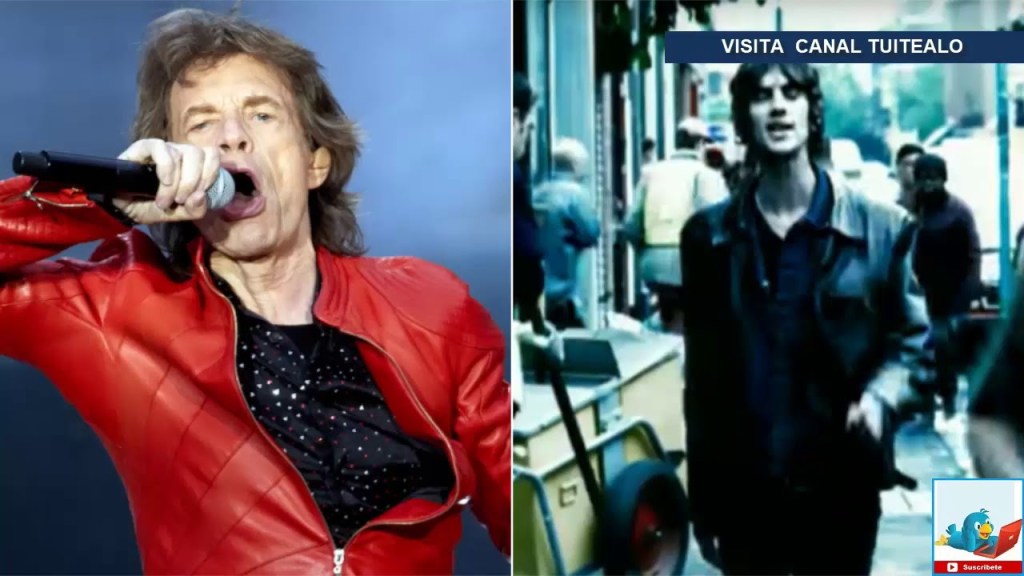
In the end, the Verve had to give up all of the songwriting royalties and publishing rights to ABKCO and the songwriter credits were converted to Jagger and Richards, resulting in Ashcroft losing all composer credits. In a statement made by Verve bassist Simon Jones following the case he admitted “we were told it was going to be a 50/50 split, then they saw how well the record was doing, they rung up and said we want 100% or take it out of the shops, you don’t have much choice”. And if all that wasn’t enough for the Verve, they were sued once again in 1999 for $1.7 million in mechanical royalties by another former Stones manager, Andrew Loog Oldham, who owned the actual recording that was sampled. Eventually, the Verve lost all control of their most successful song and when it was placed in a commercial for Nike against their wishes, they earned no money. However, this case has a happy ending because in May 2019, Ashcroft revealed that Jagger and Richards had reverted the rights back to the Verves singer, Ashcroft, allowing him to be credited as the sole author of the song.
The “Bitter Sweet Symphony” case has been described as one of the most unjust chapters in musical copyright history. Although the Verve sampled a cover of the Rolling Stones song, it was a segment written by orchestra arranger David Whitaker- Who was not credited on any of the recordings.
Metallica Vs Napster (2000)
The landmark case of Metallica vs Napster back in 2000 proved that the music industry was completely unprepared for the digital revolution. Metallica filed a lawsuit after discovering that their entire catalogue of music was available on Napster for free. Napster was the world’s first peer to peer music file-sharing network that displayed MP3 files on various computers connected to the service and allowed users to download them. This, of course was illegal, and Napster posed a very real existential threat that if everyone was getting and sharing music for free, then no one would ever buy it.

Therefore, Metallica sued the company for $10 million in damages and provided a list of 335,435 people believed to have illegally downloaded their music. Not long after, record labels and other artists such as Dr Dre filed lawsuits of their own. Metallica never received the $10 million they hoped for, but their case did lead to the termination of 230,142 Napster accounts deleted and eventually the company closing down themselves declaring themselves Bankrupt.
It’s hard now to imagine a world where we couldn’t stream music from our phones or computer, but this case marks an explosive transition into the digital age. In 2000, labels and artists weren’t ready for a world with technology that allowed fans to stream and download music and two decades later, the industry is still recovering and finding solutions.
Mark Ronson Vs The Gap Band, The Sequence, Zapp and Collage (2015-2018)
In 2014, Mark Ronson released “Up Town Funk” featuring Bruno Mars and unleashed a wave of controversy. “Oops Upside Your Head” by the Gap Band (1979), “Funk You Up” by the Sequence (1979), “More Bounce to the Ounce” by Zapp (1980) and “Young Girls” by Collage (1983) are just a portion of the bands involved in accusing Ronson of copyright infringement. According to copies of the lawsuits obtained by Billboard, the bands publishing company is seeking damages of up to $150,000 per infringement, a permanent injunction against profiting from the song and a jury trial.
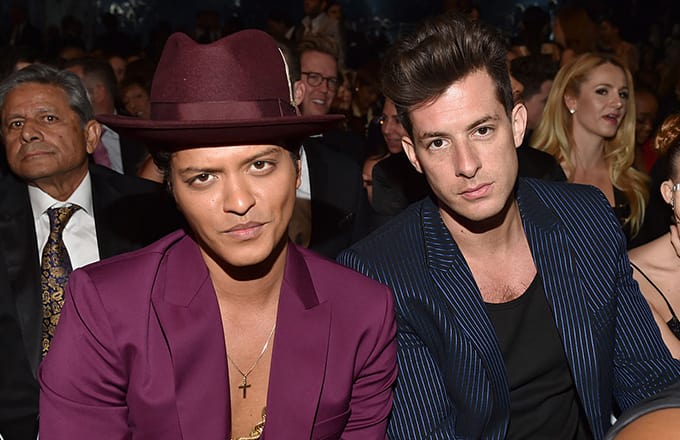
Most of the cases regarding this song are still ongoing and some have been settled outside of court, for example all four members of the Gap Band, as well as their producer, Lonnie Simmons, all received writers credits, earning them each 3.4% of the song. The importance of this case is that it puts into question what constitutes an original song especially in an era where digital music samples are increasingly used in artists songs.
Tom Petty Vs Sam Smith (2014)
In 2014, Sam Smith released his breakthrough song “Stay with Me”. Soon after the song reached the charts Smith began to receive criticism that there were undeniable “similarities” between his song and the song “I Won’t Back Down” written by Tom Petty and co-writer Jeff Lynne. The publishers for “I won’t’ Back Down” contacted Sam Smiths publishers about similarities heard in the melodies of the choruses of the two compositions. The writers of “Stay with Me” were not previously familiar with the 1989 song however, listened to both tracks and acknowledged the similarity.
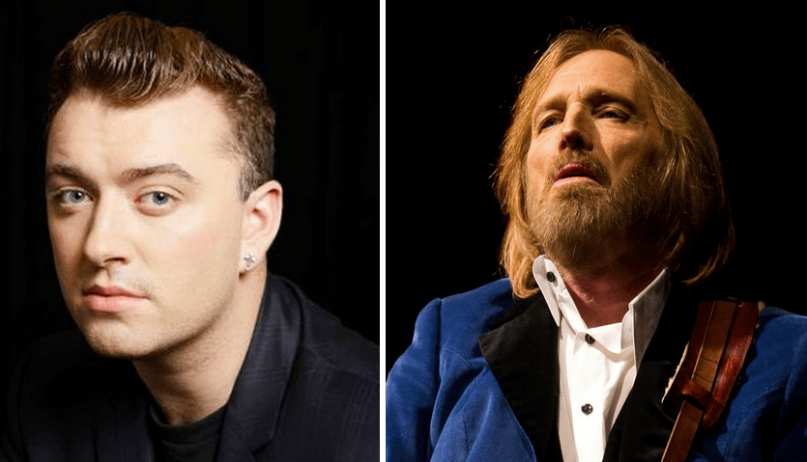
A settlement was agreed between both teams that Petty and Lynne would receive 12.5% of future songwriting royalties on the track. In an interview Petty admitted that he didn’t personally believe that Sam Smith had intended to copy his song, he said “All of my years of Songwriting have shown me these things can happen. Most times you catch it before it gets out the studio door but in this case it got by. Sam’s people were very understanding of our predicament and we easily came to an agreement”.
While “Stay With me” had been nominated for three Grammy’s, Petty and Lynne won’t be eligible for the award as “they did not do any new writings for this work, we are considering their original work to have been interpolated by Napier, Phillips and Smith for ‘Stay With Me,’” Senior Vice President of Awards Bill Freimuth told the Wall Street Journal.
Follow My Blog
Get new content delivered directly to your inbox.
 Music Copyright Cases